Case Packer Machine: The Complete Buying Guide
Packing products into cases by hand is slow and tiring. That is why so many factories now use a case packer machine to do the job faster and better.
A case packer machine takes your products and places them neatly into cardboard cases, ready for shipping. It saves time, cuts labor costs, and reduces packing mistakes.
Manual packing teams usually manage 8 to 12 cases per minute at best, and that speed drops fast as workers get tired. A machine keeps the same pace for an entire shift without slowing down.
In this guide, you will learn how a case packer machine works, the different types available, and how to choose the best one for your business.
Table of Contents
- What Is a Case Packer Machine?
- How Does a Case Packer Machine Work?
- Types of Case Packer Machines
- Benefits of Using a Case Packer Machine
- How to Choose the Right Case Packer Machine
- Cost of a Case Packer Machine
- Common Mistakes to Avoid
- Maintaining Your Case Packer Machine
- FAQs
What Is a Case Packer Machine?
A case packer machine is equipment that loads products into cases or cartons automatically. It can pack bottles, bags, boxes, cans, or pouches.
You will find these machines in food plants, beverage factories, cosmetics companies, and warehouses. Anywhere products need to go into cases quickly, this machine helps.
The main goal of a case packer machine is simple: remove slow, repetitive human labor from the packing line. Workers can then move to tasks that need judgment, like quality checks or line supervision.
Most modern machines connect to a factory’s control system. This lets managers track output, spot slowdowns, and plan maintenance before a small issue turns into a costly breakdown.
How Does a Case Packer Machine Work?
The process is simple to understand once you break it down into steps.
First, products arrive on a conveyor belt in a set order. Next, a robotic arm or pusher arranges the products into a group. Then the machine picks up this group and places it into an open case.
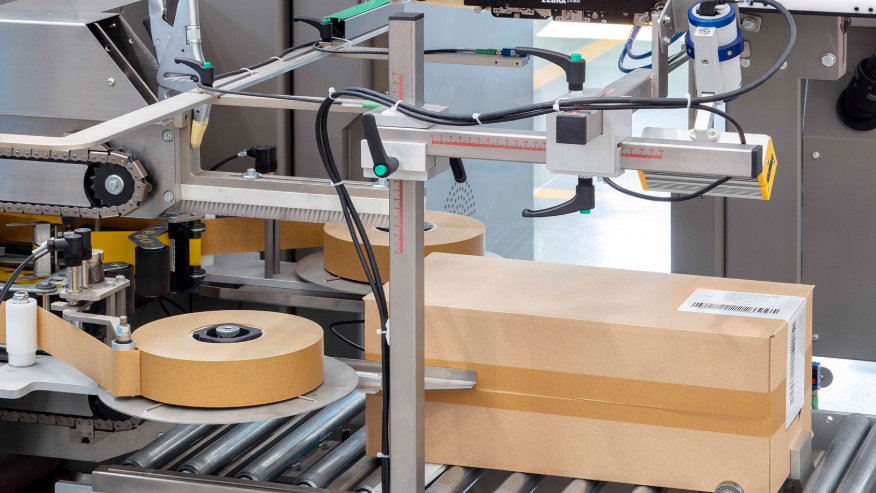
Finally, the case moves to a sealing station where it gets closed and taped shut. The whole cycle can happen in just a few seconds.
Sensors play a big role in this process. Photo-eyes and encoders confirm each product is in the right spot before the arm moves, which prevents jams and damaged goods.
Some machines also weigh each case before it leaves the line. If the weight is off, the case gets flagged automatically, so no half-empty case ever reaches a customer.
- Products are fed onto a conveyor line
- A sensor detects the correct count and position
- A pick-and-place arm loads the case
- The filled case exits toward the sealer
Types of Case Packer Machines
Not every case packer machine works the same way. The right type depends on your product shape and how fast you need to pack.
Wrap-around packers form the case around the product group, which works well for round items like bottles and cans. Top-load machines lower products straight down into a pre-formed box, which suits pouches and cartons.
Robotic case packers use programmable arms with grippers or suction cups. They cost more upfront but adapt easily when you change product shapes or launch new packaging often.
Drop-pack machines simply drop products into cases from above using gravity and guided chutes. They run fast and cost less, but they suit lighter, sturdier products best.
| Type | Best For | Speed |
| Wrap-around case packer | Bottles, cans, jars | Medium to high |
| Top-load case packer | Boxes, pouches, bags | Medium |
| Drop-pack case packer | Bags, small cartons | High |
| Robotic case packer | Mixed or delicate items | Flexible |
Benefits of Using a Case Packer Machine
Switching from manual packing to an automatic case packer machine brings real, measurable gains.
One food company we studied cut packing line injuries by half after installing a case packer machine, since workers no longer had to bend and lift heavy cases all day.
Consistency is another hidden benefit. A machine packs case number 10,000 exactly the same way it packed case number one, which keeps your brand looking professional on every shipment.
- Faster packing speed than manual labor
- Fewer packing errors and product damage
- Lower long-term labor costs
- Consistent, professional-looking cases
- Better use of floor space with compact designs
See also: Bridging the Gap: The Best Digital Tools for Planning a Successful Hybrid Business Event
How to Choose the Right Case Packer Machine
Picking the right machine is not just about price. You need to think about your product, your speed needs, and your future growth.
Talk to your supplier about your busiest season, not just your average day. A machine that barely keeps up during peak demand will hurt you when orders spike, so always size up slightly rather than down.
- Check your product type and shape (bottles, bags, boxes, etc.)
- Decide your required packing speed (cases per minute)
- Measure your floor space and line layout
- Ask about changeover time between product sizes
- Check after-sales support and spare parts availability
Cost of a Case Packer Machine
Prices vary a lot depending on speed, automation level, and brand. A basic semi-automatic case packer machine can start around $15,000 to $30,000.
A fully automatic, high-speed system with robotic arms can cost $80,000 or more. Always compare the total cost of ownership, not just the sticker price. Maintenance, spare parts, and training all add up over time.
Many buyers forget to budget for case magazines, changeover kits, and tape or glue supplies. Ask your supplier for a full quote that includes these extras before you sign anything.
A good way to judge value is return on investment. If a machine saves you two full-time packing positions, it can often pay for itself within twelve to eighteen months.
Common Mistakes to Avoid
Even experienced buyers make errors when purchasing packaging equipment for the first time. Knowing these pitfalls ahead of time can save you thousands of dollars and weeks of downtime.
- Buying a machine that is too slow for future growth
- Ignoring changeover time between different case sizes
- Skipping operator training before installation
- Not asking for a live demo before purchase
- Choosing the cheapest option without checking durability
Maintaining Your Case Packer Machine
A case packer machine can run for over ten years if you take care of it. Daily cleaning keeps dust and glue residue from building up on sensors and belts.
Weekly checks should cover belt tension, air pressure, and lubrication points. Most breakdowns happen because small warning signs get ignored for too long.
Keep a logbook of every repair and part replacement. This record helps you spot patterns, like a part that keeps failing, so you can fix the real problem instead of just the symptom.
Frequently Asked Questions
What is the difference between a case packer and a case sealer?
A case packer machine loads products into an open case. A case sealer closes and tapes the case shut after it is filled. Many packaging lines use both machines together.
Can a case packer machine handle different product sizes?
Yes, most modern case packer machines allow quick changeovers so you can switch between product sizes with simple adjustments or preset programs.
How much floor space does a case packer machine need?
This depends on the machine type. Compact drop-pack models need less space, while wrap-around systems with robotic arms need more room for the case magazine and conveyors.
Is a case packer machine hard to maintain?
Most machines need only routine cleaning, lubrication, and belt checks. Choosing a reliable brand with good local support makes maintenance much easier.
How fast can a case packer machine run?
Speeds range from about 5 cases per minute on basic models to over 40 cases per minute on high-speed robotic systems.
Conclusion
A case packer machine can transform how your business handles packing. It saves time, reduces errors, and helps your team focus on more important work.
Before you buy, think carefully about your product type, speed needs, and budget. The right case packer machine will pay for itself through lower labor costs and fewer mistakes over time.
Take your time during the buying process. Request a live demo with your actual product, ask for references from current customers, and compare at least two or three suppliers before making a final decision.