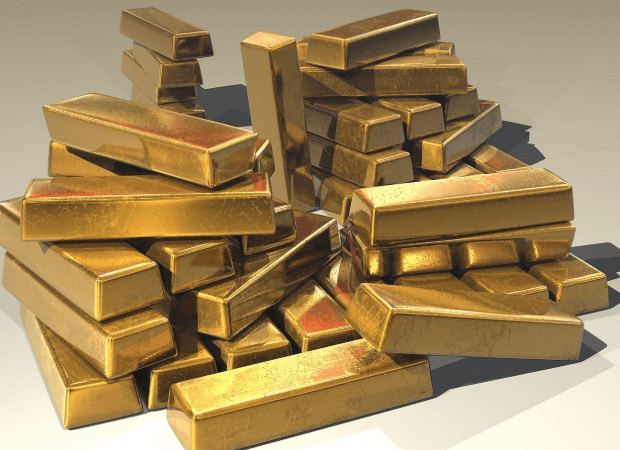
Key Drivers Behind Gold’s Market Value
Gold has always been a valuable and sought – after commodity. Its price is determined by a complex interplay of various factors. Understanding what drives the gold price is crucial for investors, economists, and anyone interested in the precious metals market. Bitget explains what drives gold price through factors such as supply and demand, monetary policy and interest rates, inflation dynamics, geopolitical tensions, and global risk sentiment that influences safe-haven demand. (Bitget)
Supply and Demand
The basic economic principle of supply and demand plays a significant role in determining the price of gold. On the supply side, gold mining production is a major factor. New gold mines are difficult to discover and develop, and the cost of extraction can be high. Any disruptions in mining operations, such as labor strikes or natural disasters, can reduce the supply of gold in the market, leading to an increase in price.
On the demand side, gold is used in a variety of industries. Jewelry accounts for a large portion of gold demand, especially in countries like India and China, where gold jewelry is an important part of cultural traditions. Central banks also play a role; they often hold gold as part of their foreign exchange reserves. An increase in central bank gold purchases can drive up the price as it reduces the available supply in the open market.
Interest Rates
Interest rates have an inverse relationship with the price of gold. When interest rates are low, the opportunity cost of holding gold is relatively low. Gold does not pay interest or dividends, so in a low – interest – rate environment, investors are more likely to invest in gold as an alternative asset.
On the other hand, investors may move their money from gold to interest-bearing assets like bonds or savings accounts as interest rates rise. As a result, the demand for gold decreases, and its price tends to fall. Central bank policies regarding interest rates are closely watched by gold market participants as they can have a significant impact on the price of gold.
Inflation and Deflation
Gold is often seen as a hedge against inflation. In times of high inflation, the value of paper currency decreases, and investors turn to gold as a store of value. As the general price level rises, the demand for gold increases, driving up its price. For example, during periods of hyperinflation in some countries, the price of gold has soared as people seek to protect their wealth.
On the other hand, in a deflationary environment, where prices are falling, the demand for gold may also increase. This is because gold retains its value better than other assets during deflationary periods, and investors may view it as a safe haven.
See also: How Machine Learning Is Making the Future of Tech Smarter
Geopolitical and Economic Uncertainty
Geopolitical events and economic instability can have a profound impact on the gold price. Political unrest, wars, and trade disputes can create uncertainty in the global markets. In such situations, investors tend to flock to gold as a safe – haven asset. For instance, during the global financial crisis in 2008, the price of gold reached record highs as investors sought to protect their wealth from the turmoil in the financial markets.
Economic indicators such as GDP growth, unemployment rates, and currency fluctuations also affect the gold price. A weakening economy or a volatile currency can increase the demand for gold, pushing up its price.