How Internet of Things (Iot) Is Enhancing Home Automation
The integration of Internet of Things (IoT) technology into home automation systems has introduced a new level of interconnectedness and intelligence. Smart devices communicate through secure networks, enabling real-time data exchange and autonomous decision-making. This evolution supports personalized environments, enhances security measures, and optimizes energy use. As these systems become more sophisticated, the potential for seamless, adaptive living spaces grows—prompting further exploration into how IoT is redefining residential automation.
Smart Devices and Their Integration
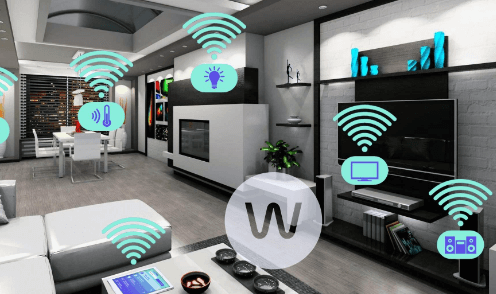
Smart devices serve as the fundamental components in home automation systems, enabling seamless communication and control across interconnected platforms.
Advanced device interoperability facilitates integrated functionalities, while voice commands provide intuitive, hands-free operation, empowering users with freedom.
This synergy ensures flexible, scalable automation solutions that adapt to individual preferences, optimizing efficiency without sacrificing control or autonomy.
Automated Control Systems and Personalization
How do automated control systems enhance the customization and efficiency of home environments? They leverage voice commands and real-time data to adapt settings based on user preferences, optimizing energy use and comfort.
Advanced algorithms analyze behavioral patterns, providing seamless, intuitive control that empowers residents to tailor their spaces while maintaining operational simplicity and autonomous responsiveness.
Enhanced Security and Surveillance
Enhanced security and surveillance in IoT-enabled home automation systems utilize interconnected sensors, cameras, and access control devices for real-time threat detection and remote monitoring.
Data encryption ensures secure transmission, safeguarding user privacy.
This integration empowers homeowners with autonomous, tamper-proof oversight, fostering freedom through continuous, secure oversight without manual intervention, elevating safety while maintaining control over personal spaces.
Energy Efficiency and Cost Savings
Integrating IoT technologies into home automation systems, along with QR code integration, significantly advances energy efficiency and reduces operational costs by enabling precise energy monitoring and dynamic interaction with smart grids.
This facilitates optimized load management, real-time consumption adjustments, and predictive analytics, empowering users with data-driven insights.
Such innovations foster autonomous control, promoting sustainable energy practices while maximizing individual freedom through customizable automation.
See also: How Drones Are Changing Industries
Conclusion
The integration of IoT in home automation acts as the nervous system of modern living spaces, orchestrating seamless coordination among devices. This digital symphony enhances security, optimizes energy use, and tailors environments to individual preferences, transforming houses into intelligent ecosystems. As connectivity deepens, homes evolve into autonomous entities—dynamic, resilient, and adaptive—embodying the future where technology and daily life intertwine in a harmonious dance, shaping sustainable, secure, and personalized living landscapes.