How Drones Are Changing Industries
Drones are increasingly integrated into various industries, offering significant operational advantages through automation, data collection, and improved safety. Their deployment impacts workflows, reduces costs, and enhances output quality. As these technologies evolve, understanding their influence on industry standards and future applications becomes essential. The ongoing transformation prompts critical questions about regulation, technological limits, and long-term sustainability, encouraging further exploration of their broader implications.
Transforming Aerial Photography and Filmmaking
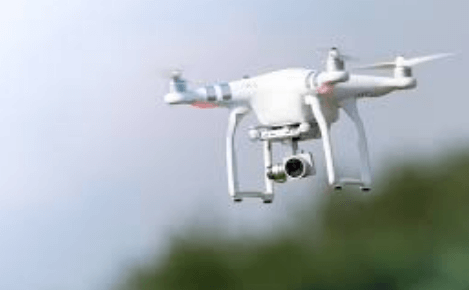
How have drones revolutionized aerial photography and filmmaking? Advanced camera stabilization ensures smooth, professional footage, while drone swarm technology enables complex, synchronized shots from multiple angles simultaneously.
This innovation grants creators unprecedented freedom, transforming visual storytelling by merging technical precision with artistic expression, expanding creative possibilities beyond traditional limitations in aerial media production.
Enhancing Agriculture and Environmental Monitoring
Drones have become integral tools in agriculture and environmental monitoring, offering high-resolution data collection and real-time analysis that enhance decision-making processes.
They facilitate precise crop health assessment and detailed soil analysis, enabling stakeholders to optimize resource use, improve yields, and monitor environmental changes efficiently.
This technological integration fosters sustainable practices and operational autonomy.
See also: jepturfturf
Revolutionizing Delivery and Logistics Services
The integration of drones into delivery and logistics services has significantly enhanced operational efficiency and delivery speed through autonomous navigation and payload innovations.
These advancements enable precise, reliable payload delivery in complex environments, reducing transit times and operational costs.
Industry stakeholders benefit from increased flexibility and scalability, empowering a more autonomous, responsive logistics network aligned with modern consumer demands.
Improving Disaster Response and Public Safety
Advancements in autonomous navigation and real-time data transmission have enabled aerial and ground-based drones to play a pivotal role in disaster response and public safety initiatives.
These innovations facilitate rapid emergency response, precise situational awareness, and accessible surveillance, empowering industries to enhance public safety.
Drones provide critical intelligence, streamline operations, and extend capabilities beyond traditional methods.
Conclusion
Drones demonstrate dynamic dominance across diverse disciplines, driving development through data, design, and deployment. Their decisive role in delivering detailed data, enhancing efficiency, and elevating emergency response underscores their transformative potential. As industries innovate and integrate these intelligent instruments, increased insight, improved safety, and inspiring ingenuity emerge. Drones, as dedicated devices of disruption, define a decisive, data-driven future—delivering progress, precision, and promising possibilities for sustainable industry evolution.